Decoding the livestock microbiome to improve animal health and sustainability
The Translational Livestock Microbiome Research (TLMR) Lab studies how livestock hosts and their resident microbes interact, and translates those discoveries into practical solutions for agriculture.
Three pillars of livestock microbiome science
We integrate metagenomics, metatranscriptomics, and metabolomics with anaerobic culturing to understand the microbiome and put that understanding to work.
Microbiome & Health
How early-life microbial colonization shapes immune development and resilience against pathogens in swine and ruminants.
Learn more →Antimicrobial Resistance
Mapping the resistome of livestock environments to develop strategies that reduce the spread of antimicrobial resistance genes.
Learn more →Sustainability
Targeting rumen fermentation pathways to improve feed efficiency and reduce enteric methane emissions from cattle.
Learn more →From the barn to the bench to the field
A translational pipeline that pairs classical anaerobic microbiology with modern sequencing and computation.
Culture
Anaerobic isolation of rumen and gut microbes to build a living biobank of strains and genomes.
Sequence
Illumina and Oxford Nanopore sequencing for genome-resolved metagenomics and metatranscriptomics.
Model
Bioinformatics, metabolic modelling, and machine learning to link microbial function to host phenotypes.
Translate
Probiotics, postbiotics, feed strategies, and surveillance tools that producers and veterinarians can use.
News & events
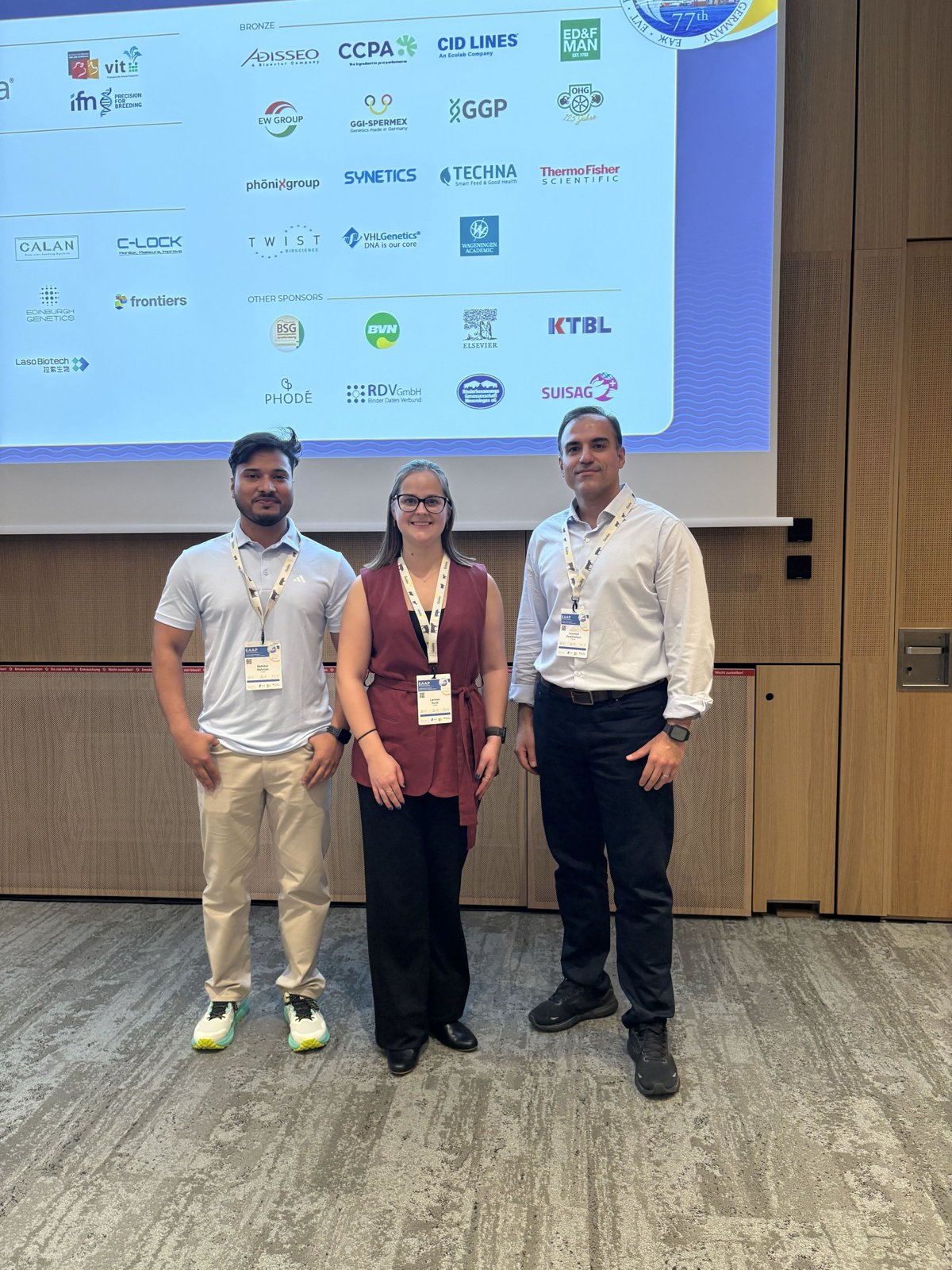
TLMR Lab at EAAP 2026, Hamburg
Larissa Scott and Nahidur Rahman gave oral presentations at the 77th Annual Meeting of the European Federation of Animal Science, their first international conference.
Read more →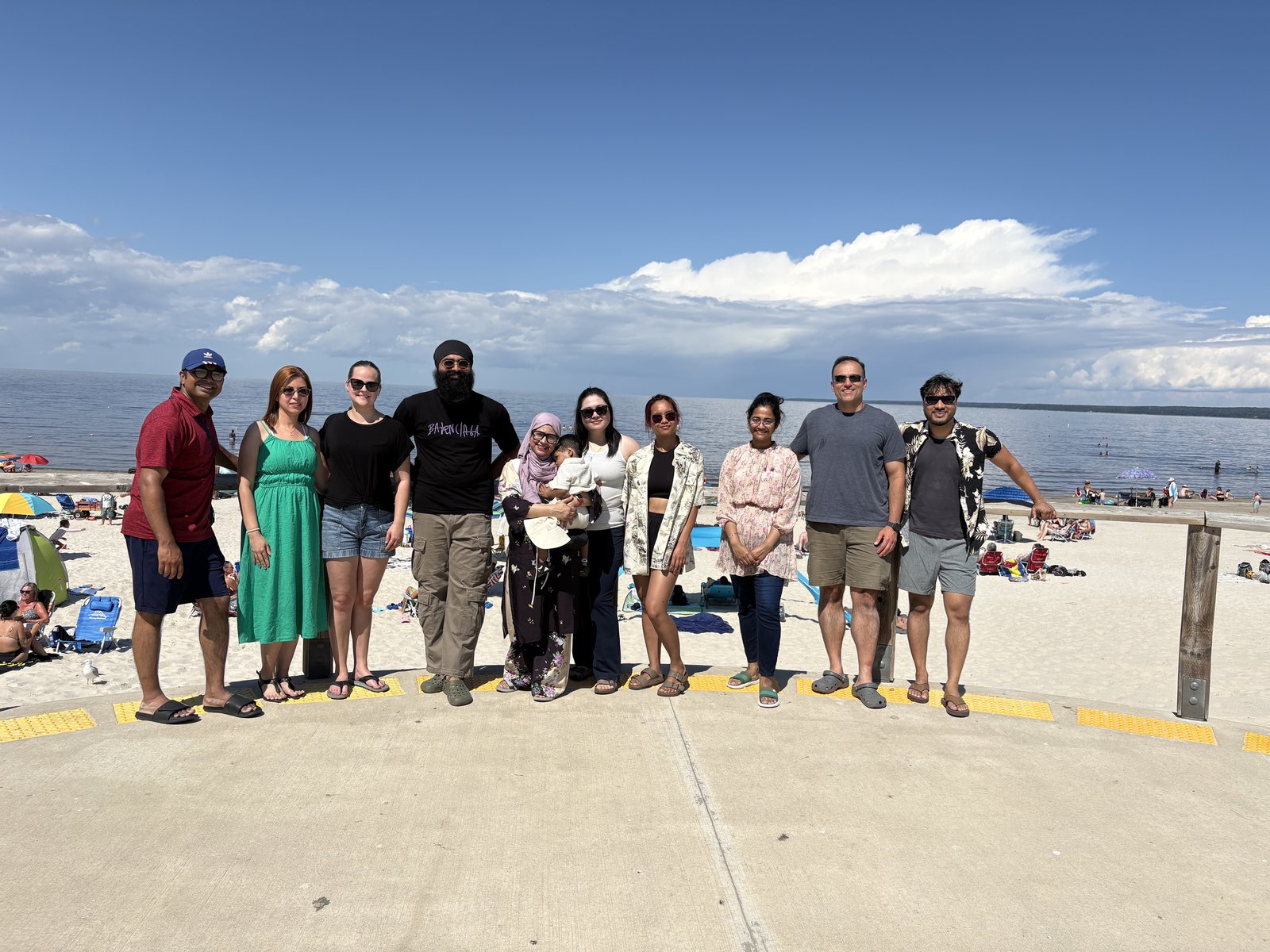
Lab Beach Day 2026
The lab traded incubators for sunshine with a summer reset at Grand Beach on Lake Winnipeg.
Read more →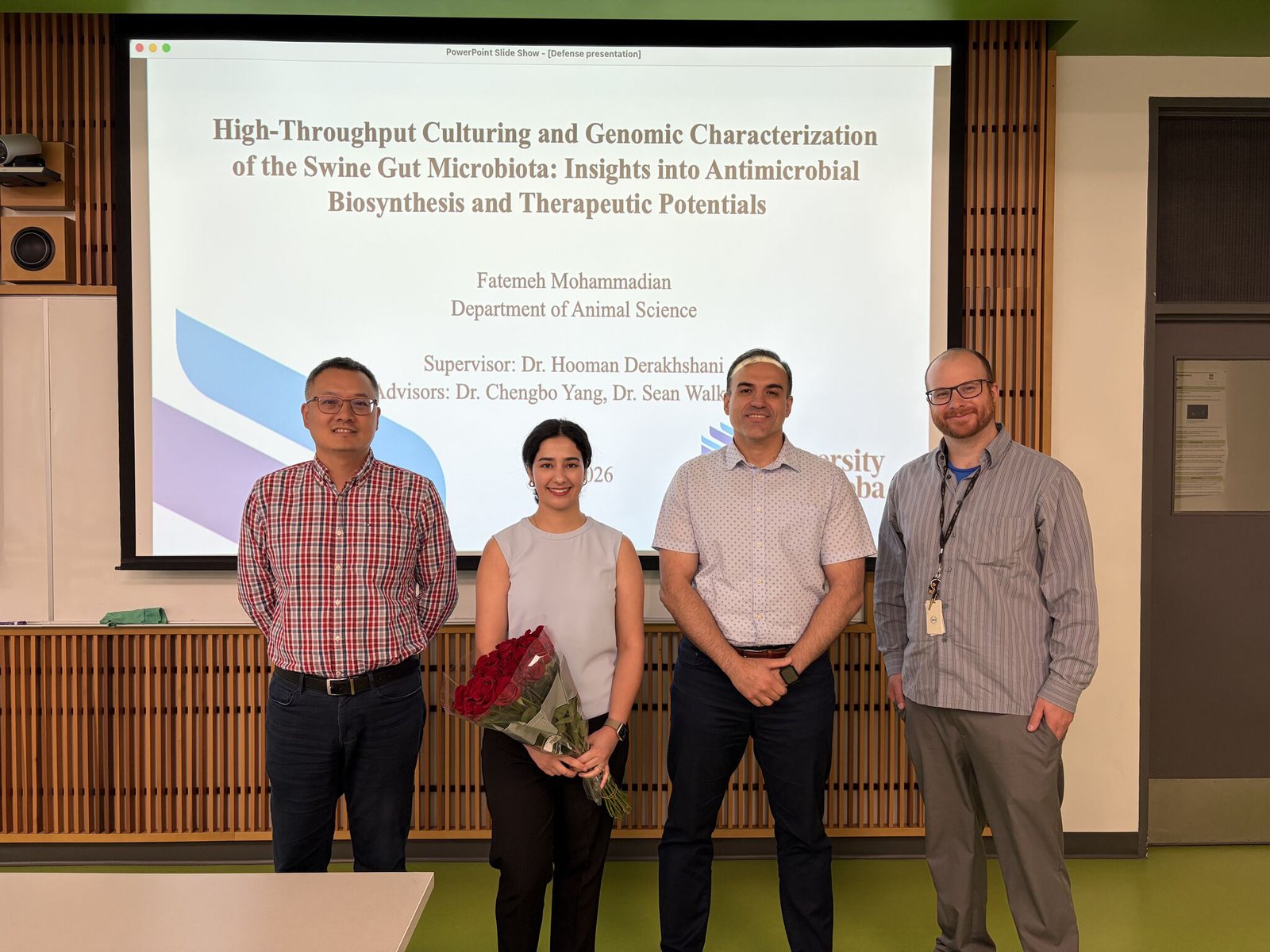
Congratulations, Fatemeh: MSc Thesis Defended!
Fatemeh Mohammadian successfully defended her MSc thesis on culturing and genomic characterization of the swine gut microbiota.
Read more →Interested in joining the lab?
We welcome motivated graduate students, undergraduates, and postdoctoral researchers with backgrounds in microbiology, animal science, molecular biology, or bioinformatics.